Ranchi, Jharkhand23.34°N 85.31°E16°Cclear sky, feels like 16°C, 79% humidity, as of 06:00 IST IST
Abhinav Anandan AI infrastructure engineer, an agent systems builder, a backend engineer and a markets-curious engineeran AI infrastructure engineeran agent systems buildera backend engineera markets-curious engineer
I'm Abhinav, an AI & ML undergrad at BIT Mesra, and I like the unglamorous half of AI: the infrastructure that makes it dependable. I build agent systems, RAG and rules pipelines and the backends around them, and I trust whatever code can check (gates, traces, tests) over whatever a model merely promises.
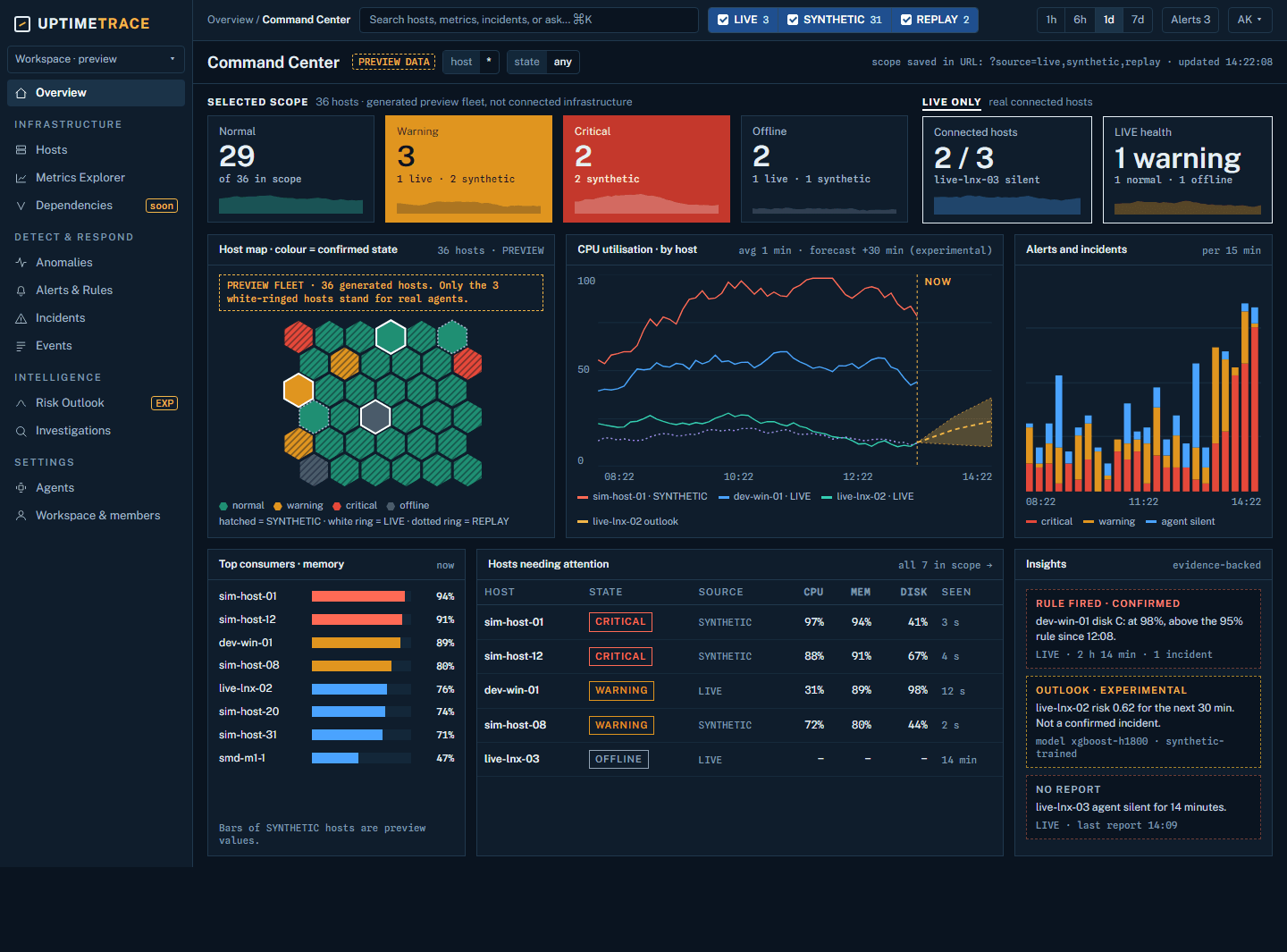
That meant an agentic UX-to-code pipeline as an AI engineering intern at CloudNuro, and endpoint intrusion detection research at Illinois Tech. Right now I'm building UptimeTrace, a monitor that keeps predictions and real incidents apart.
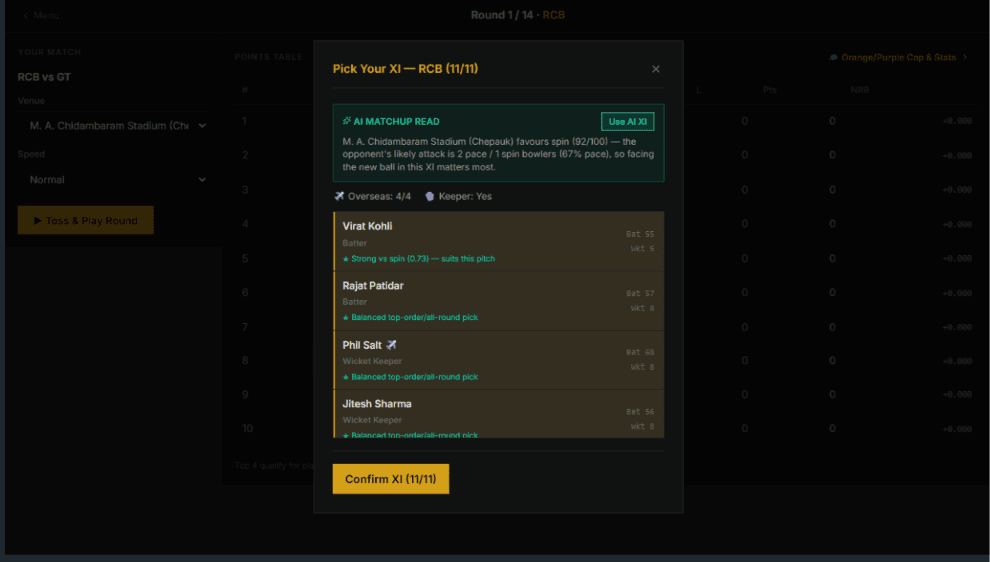
Away from the keyboard I'm drawn to anything with a scoreboard: market microstructure, ball-by-ball cricket models, the gym, and the sports I follow. Data, strategy and competition keep turning up in all of it.
Python, LangGraph, Claude & OpenAI APIs: 14-node state machine with two human-in-the-loop interrupts, a dual-agent generate/review split and automatic repair loops on rejection.
RAG retrieval over the internal component library and versioned knowledge packs; codegen validated by six deterministic CI checks plus live GitHub branch/commit/PR/merge automation.
Hash-sealed scope contracts, vision-model scorecards (5-dimension rubric), replay/extraction caches and per-run token budgets; 480+ pytest tests, a FastAPI review UI and a Figma Plugin API renderer.
Jun 2026 – Jul 2026 · @ Funded research program, selected through BIT Mesra
Five-stage pipeline: psutil hybrid monitor emitting process and socket state deltas (not snapshots), a SQLite event queue so nothing is lost if the classifier is down, a Claude classifier, ZeroMQ pub/sub, and a response engine.
22-attribute telemetry schema (SHA-256 hash, cert status, PID lineage, command line, IP/FQDN/DNS/port, orphan-socket flag) written to CSV and rolling log sinks.
Each verdict returns BENIGN or MALICIOUS with a confidence score and a plain-language reason; inference is deterministic, with a raised token limit, exponential backoff on API failures and audit logs at every stage.
Replaced CSV/SQLite hand-offs with ZeroMQ publish-subscribe: only malicious events are published, and a dashboard or SIEM can subscribe without touching the classifier.
Prompt harness benchmarking Claude vs GPT at temperature 0, enriched via VirusTotal, MalwareBazaar, AbuseIPDB, AlienVault OTX and MITRE ATT&CK.
Response layer with three actions (terminate process, quarantine with rename-over-delete, block IP by firewall rule), each behind its own feature flag; tested on Windows with Atomic Red Team simulations, all actions in Dry Run, live remediation not yet evaluated.
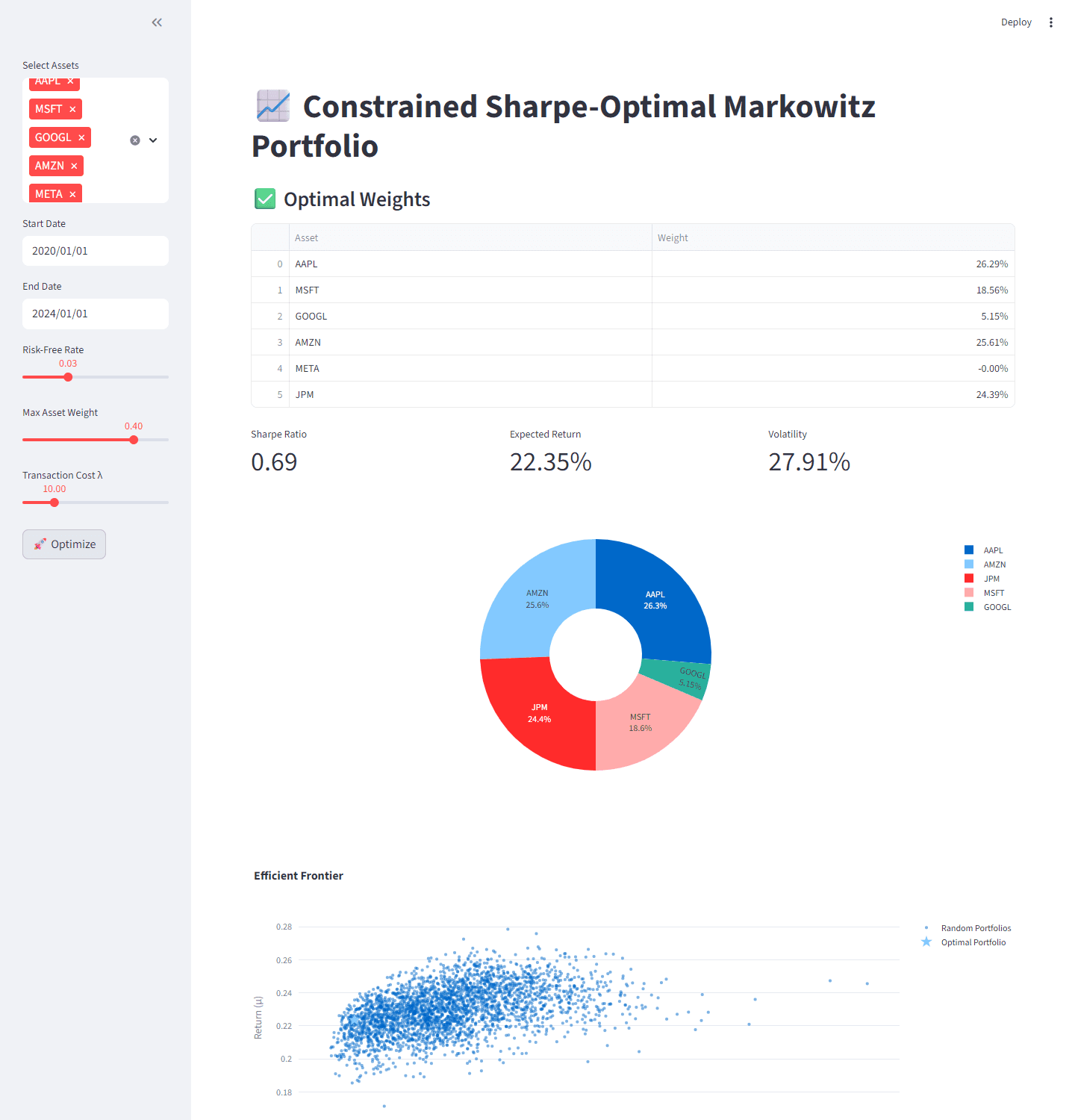
Working versions of the maths behind my portfolio and order-flow projects, running in your browser on seeded synthetic data. Every input is editable, and the same seed always gives the same result.
[04] systems
Two small working sketches of how I think about systems. Each one is an illustration of the method, not production code or real results.
Agent pipeline trace
cloudnuro
An abstract view of the internship pipeline: a 14-node LangGraph state machine with a generate/review agent split, six deterministic CI checks, two human-in-the-loop interrupts and automatic repair loops on rejection. Generic node names and a scripted run, with no internal code or names.
Bowl an over
cricsim
A toy illustration: six deliveries drawn from a fixed probability table in your browser. CricSim's real engine models batters, bowlers, pitch and matchups. Try it at cricsim.in.